
Sites, gates and rules
Set up buildings, loading docks, opening hours, booking periods and capacity rules.
GateBooking helps warehouses, manufacturers and logistics teams organise truck arrivals, loading appointments and gate capacity.
Reduce waiting times, avoid loading dock congestion and make daily logistics operations more transparent for both internal teams and external partners.
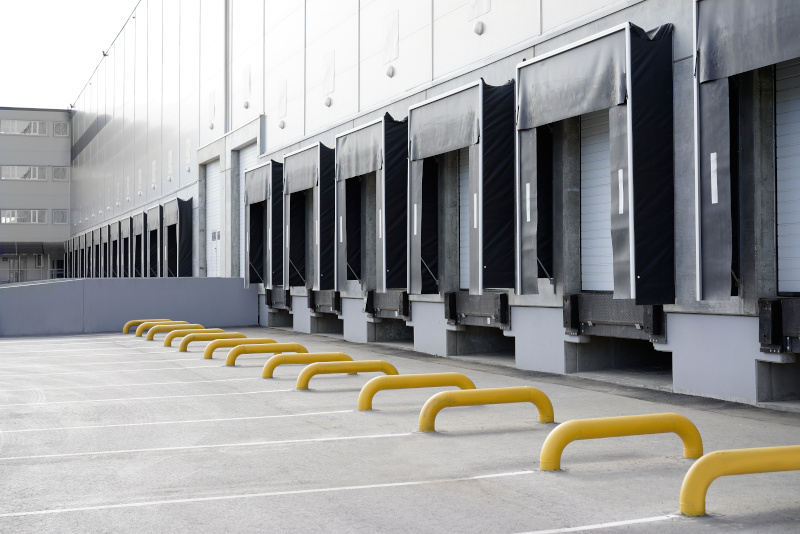
GateBooking is a time slot and appointment booking system developed for companies that handle regular inbound or outbound truck traffic.
The system helps organise loading and unloading appointments, manage gate capacity, track shipment statuses and support collaboration among participants in the logistics process.
GateBooking runs in the browser and is supported by mobile applications, so the information needed is accessible where the work happens.
The goal is simple: make gate booking, arrivals and loading capacity management more predictable, transparent and easier to track.
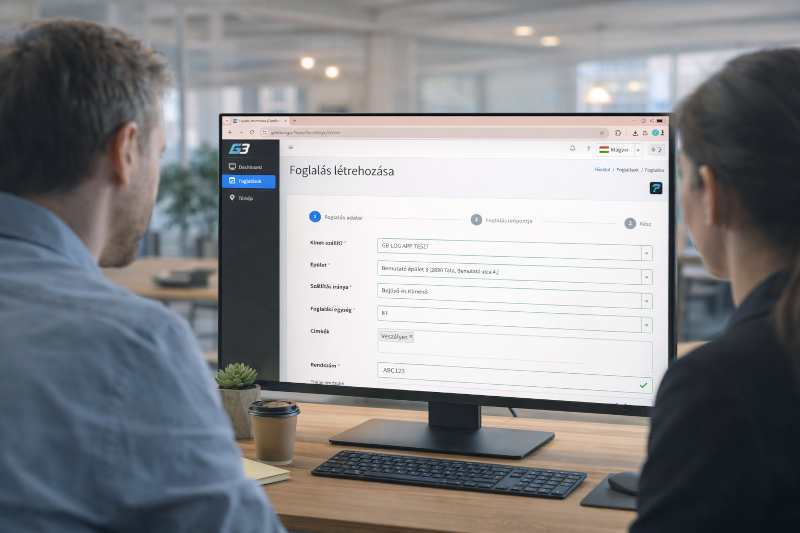
Managing appointments by phone, email or spreadsheets can work for a while. As traffic grows, loading dock load becomes harder to manage, arrival times become uncertain, and the warehouse team spends more and more time on after-the-fact coordination.
GateBooking provides a shared time slot system for logistics operations, where arrivals, loading appointments, capacities and statuses are managed in one place.
The result is a more predictable process for the warehouse, carriers, suppliers and drivers alike.
Booking rules and live statuses reduce congestion at the gates, make rescheduling easier and cut down on last-minute phone calls.
Daily operations become less about firefighting and more about planned, steady execution.
GateBooking makes the entire loading process more traceable: from gate configuration through booking and arrival to the closed shipment.
Set up buildings, loading docks, opening hours, booking periods and capacity rules.
Carriers, suppliers or internal users can choose from available time slots based on the defined rules.
The team can see in real time which shipment is planned, has arrived, is being loaded, is closed or is running late.
Booking and loading data can be used for analysis, performance evaluation and capacity planning.
GateBooking is most useful where loading and unloading is frequent, multiple partners arrive at the same gates, and advance planning of the daily load is important.
More predictable truck arrivals and more transparent daily loading operations.
Coordinating raw material deliveries, finished goods dispatches and internal logistics flows.
Simpler delivery time coordination and less uncertainty.
More precise arrival planning and shared information with the warehouse team.
GateBooking helps turn truck arrivals into a predictable, visible and manageable process.
GateBooking is not just an appointment booking interface, but a flexible time slot management system that also supports the management of gates, bookings, roles, statuses and loading processes.
Partners, customers or carriers can book loading or unloading appointments online, based on available capacity and the rules you define.
Multiple sites, buildings, gates and loading points can be managed in a structured way, either as physical or logical gates.
Booking duration can be adjusted to real loading needs, so shorter and longer loading operations do not use the same amount of capacity.
Shipment status can be followed from booking through departure, arrival, gate call and loading until the vehicle leaves the site.
The system supports cooperation between multiple participants, from external partners to internal logistics teams.
GateBooking supports mobile work, data-based review and connection to existing business systems.
Logistics work often does not happen at a desk. That is why GateBooking is also supported by mobile applications for logistics users and drivers.
The Logistic app supports shipment management and status tracking, while the Driver app supports driver communication, photo uploads and reporting of unexpected events.

A recurring theme in GateBooking's articles is that a time slot system delivers real value when it makes not just the booking, but the entire arrival and loading process visible.
A booked time slot is not enough. The partner needs to know what time to arrive, which gate to come to, and what to do in case of delay or change.
A single slip can throw off planned gate utilisation, cause congestion and require rescheduling within a short time.
When it is clear what is arriving, with what loading needs and at which gate, it is easier to plan staff and equipment.
It is worth testing periodic gate closures, different slot lengths, external partner access, change handling and custom data fields.
With ERP, WMS, access control, licence plate recognition cameras or a custom freight portal, a data connection can reduce manual copying and information discrepancies.
There is no need to switch everything at once. Testing can start with one gate, one building or one selected process and expand based on experience.
The best way to get to know GateBooking is to try it. During the free trial period you can explore the system, test the main features and see how online gate booking would support your warehouse or logistics operations.
No lengthy preparation is needed to get started. Register, try the system and decide based on your own experience.
GateBooking is backed by development and business software experience that has been shaped since 2009 around real enterprise needs.
The system's approach is practical: it addresses operational situations that arise in warehousing, manufacturing, freight forwarding and the daily organisation of supply chains.
The goal is a transparent, long-term usable and adaptable time slot system that supports logistics teams not just at go-live, but in everyday operations.
If you have questions, would like a personal demo or want to discuss how GateBooking can fit into your company's logistics processes, get in touch with us.
Short, practical answers about using, implementing, testing and integrating GateBooking.
GateBooking is used to manage truck arrivals, loading and unloading appointments, gate capacities and shipment statuses. It helps ensure that gate reception, the warehouse, the freight coordinator and partners all work from the same information.
It is worth considering when multiple shipments arrive daily, simultaneous arrivals are frequent, capacity is tight, gate reception is overloaded, or too much time goes into phone and email coordination.
They can work for a while, but with growing traffic information easily fragments. A changed appointment does not always reach everyone involved — reception sees one thing, the warehouse prepares for another, and the partner arrives on uncertain information.
Punctual arrivals require a booking, a clear confirmation, precise gate and time data, change tracking and a timely delay notification.
The system aims to make deviations more visible. If a delay or early arrival appears in the process in time, the warehouse team can reschedule the order and gate utilisation sooner.
Yes, depending on the configuration, carriers, suppliers or other logistics partners can book appointments. Permissions control who can see what and manage which bookings.
Yes, the point of partner or customer-level access is that external parties only see the data relevant to them. This reduces internal coordination overhead while keeping data management controlled.
Yes. The system supports managing multiple sites, buildings, gates and loading points, making it suitable for complex warehouse or manufacturing environments.
Yes, this is an important practical consideration. Real operations may involve maintenance, shift breaks, internal reorganisation or unexpected events, so it is useful to be able to close a gate temporarily.
Yes. A small drop-off may require a short time, while a special or larger cargo needs a longer slot. The goal is for the slot length to match the actual loading need.
It is worth thinking in multiple steps, for example: booked, confirmed, en route, arrived, loading, closed, delayed. The exact status list can be tailored to the company's operations.
Logging is an important part of transparent operations. It helps trace changes, clarify misunderstandings and make better decisions in case of complaints or internal disputes.
Yes, it is worth collecting the data the team would otherwise ask by phone: driver name, phone number, pallet type, loading type, deadline or other company-specific information.
Booking and loading data can make peak loads, delays, loading times and gate utilisation more visible. This can help with shift evaluation, capacity planning and management decisions.
Yes, integration can be discussed based on business needs. Typical connection points include ERP, WMS, access control, licence plate recognition cameras, a custom freight portal or mobile application.
Integration can reduce manual data copying, duplicated work and errors caused by inconsistent information. This allows GateBooking to operate as part of existing processes.
Yes. There is no need to switch all sites or gates at once. The trial can start with a selected gate, building, partner group or process and be expanded based on experience.
It is worth testing real scenarios: periodic gate closure, different loading times, partner access, statuses, changes, notifications, custom data fields and reports. These show how the system would work in a live environment.
The goal of the trial is to explore the system's main functionality through first-hand experience. This means you are not just watching a demo — you can try how GateBooking fits into daily operations.
The aim is for the system to be easy to learn for gate reception, warehouse staff, freight coordinators and administrative users alike. Clear goals, process mapping and a brief pilot run help a lot during implementation.